Before consulting: R&D leadership at VW Group Innovation
Four years building and leading the Creative Technology R&D division at VW Group Innovation's Future Center Asia: patent-filed interaction hardware, shape-changing surface systems, user-trainable gesture recognition on edge ML, and the concept, creative direction, and full HMI architecture of the Gen.Urban concept-vehicle program.
- Year
- 2018-2022 / Beijing
- Role
- Built and led the Creative Technology division; concept authorship, creative direction, and engineering in one role
- Stack
- Interaction hardware / shape-changing surfaces, three generations plus pneumatic / edge-ML gesture systems / LED-matrix-behind-textile / Processing and openFrameworks HMI
- Unlock
- The practice the consulting now sells, run at institutional scale for four years
What the era produced
ADAS control stick PoC (2018)
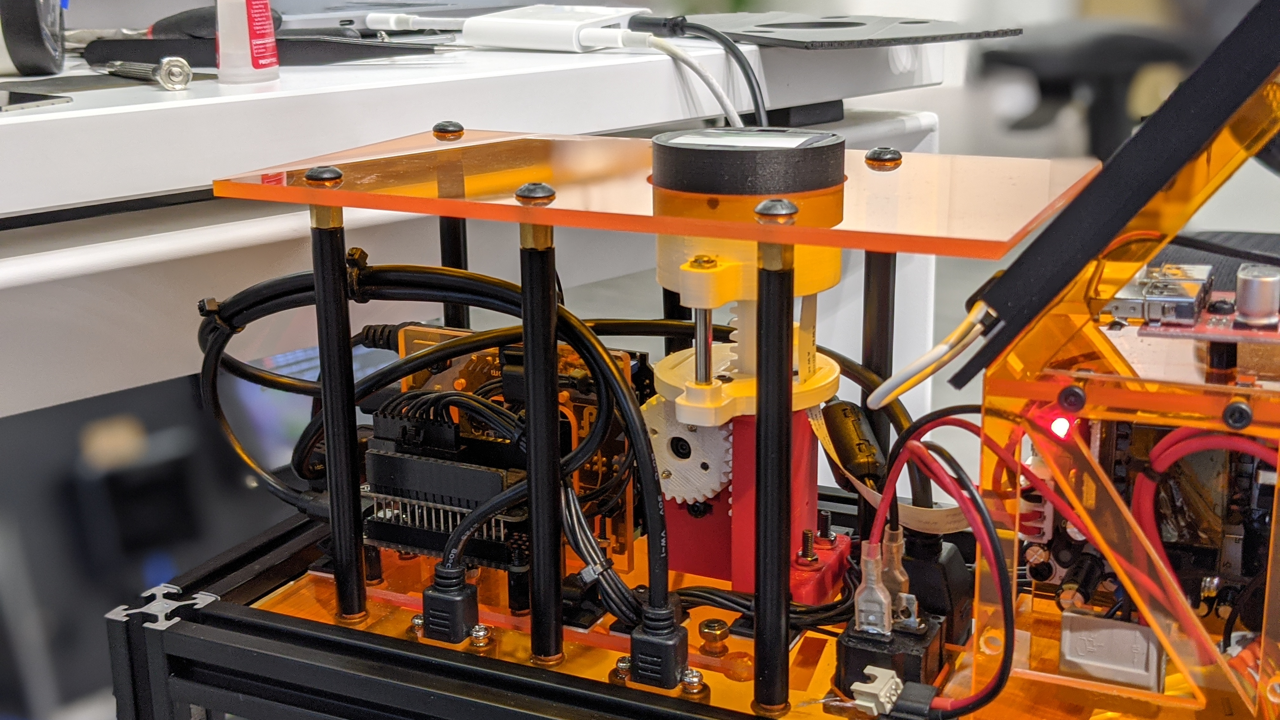
Ergonomic mechanical design, electronics, and the simulation handshake I built personally; a patent was filed and I presented the concept to the Group CEO of the time, with encouragement to continue.
Gen.Urban V-0 and V-1 (2018-2020)
The deepest entry here, because it was concept, creative direction, AND build:
- The concept itself was the contrarian bet: a reduced, minimal-information interior, the deliberate opposite of what was winning in China at the time (ever-bigger screens, 3D graphics everywhere). Interfaces recede when not needed and appear in context, so the cabin stays a calm space rather than a cockpit of displays. I carried creative direction of this overall concept alongside the HMI development lead role.
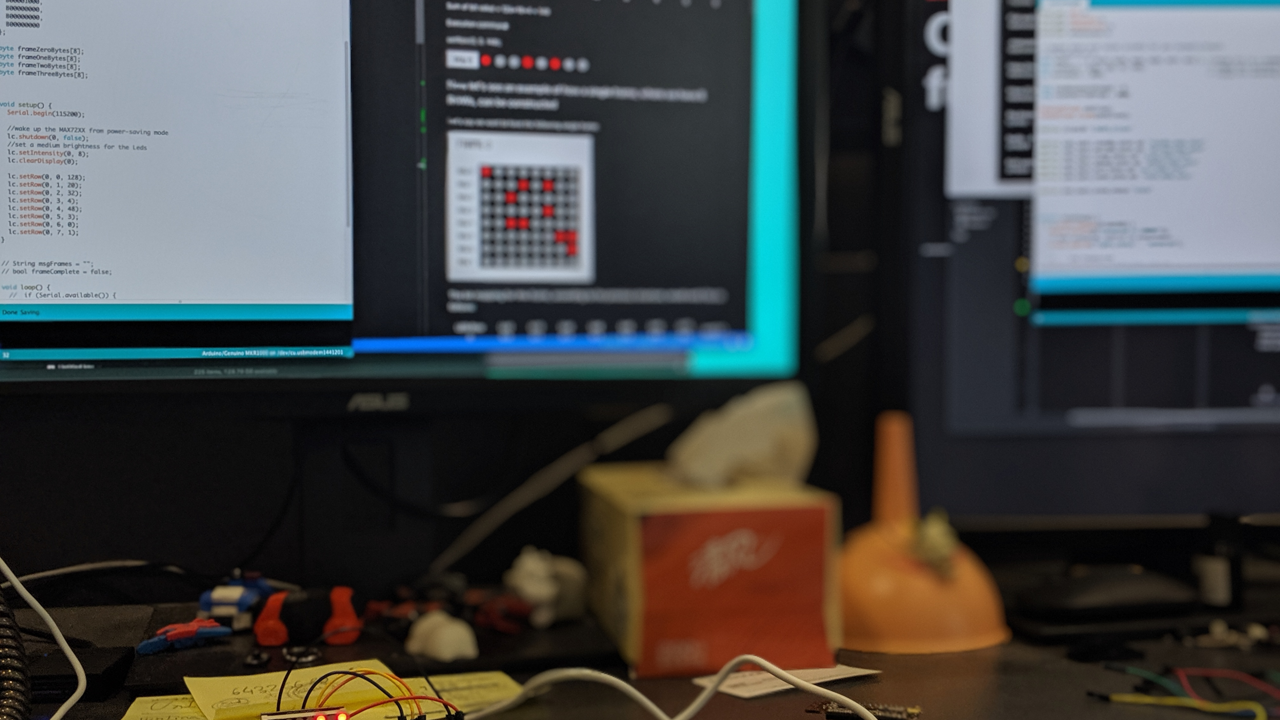
- The "personalised interiors" universe, four components working as one: an interactive skylight with animated content; hidden displays behind fabric, where the LED-matrix-behind-textile research led to its own visual design direction and custom content tooling; ambient light at the foot rest; ambient sound. I personally built the enabling HW/SW experiments, wrote the guidelines the team created final content against, and built the management software binding the four together.
- Shape-changing surfaces as part of the whole: the morphing side control panel (ground-up mechanics, electronics, and control software across three generations, plus the separate pneumatic soft-surface approach with its own toolchain; materials follow-up ran with Continental) delivered the same design philosophy physically, a control that exists only when context calls for it.
- The hidden main display: a modular vertical-slider mechanism with its own configuration software, chosen (real display over AR) for content clarity and cost, designed so a remote workshop could mount and calibrate it without the builder present.
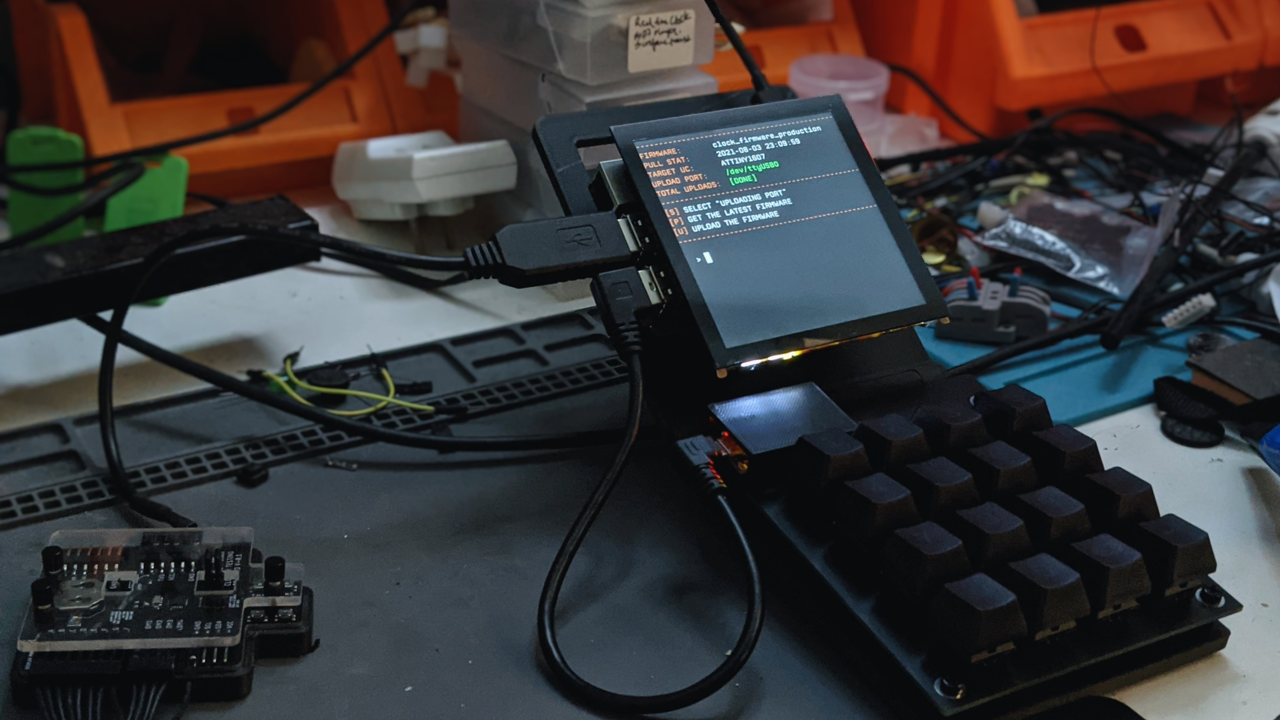
- A machine-aesthetics UI direction: monochrome, terminal-style, an homage to old machines yet clutter-free and readable, developed with the freelancer ailadi (remotely, via shared boards), prototyped on real hardware in Processing and finalised in openFrameworks (C++).
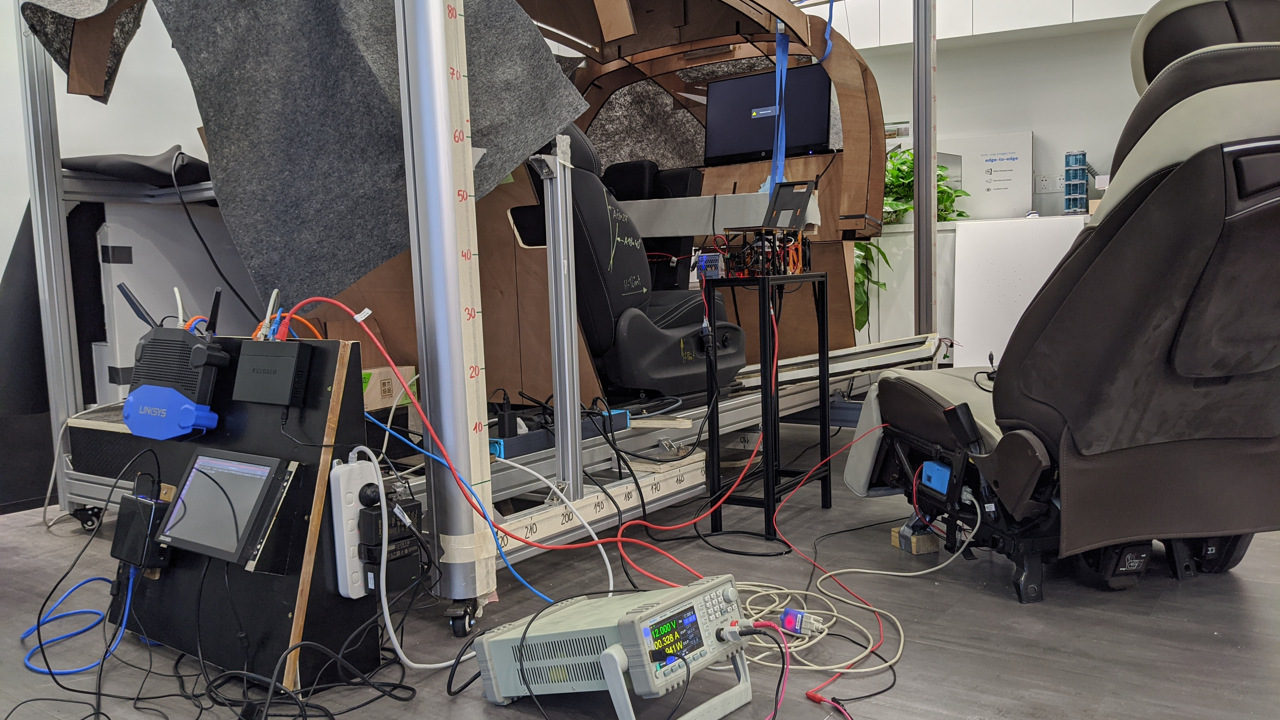
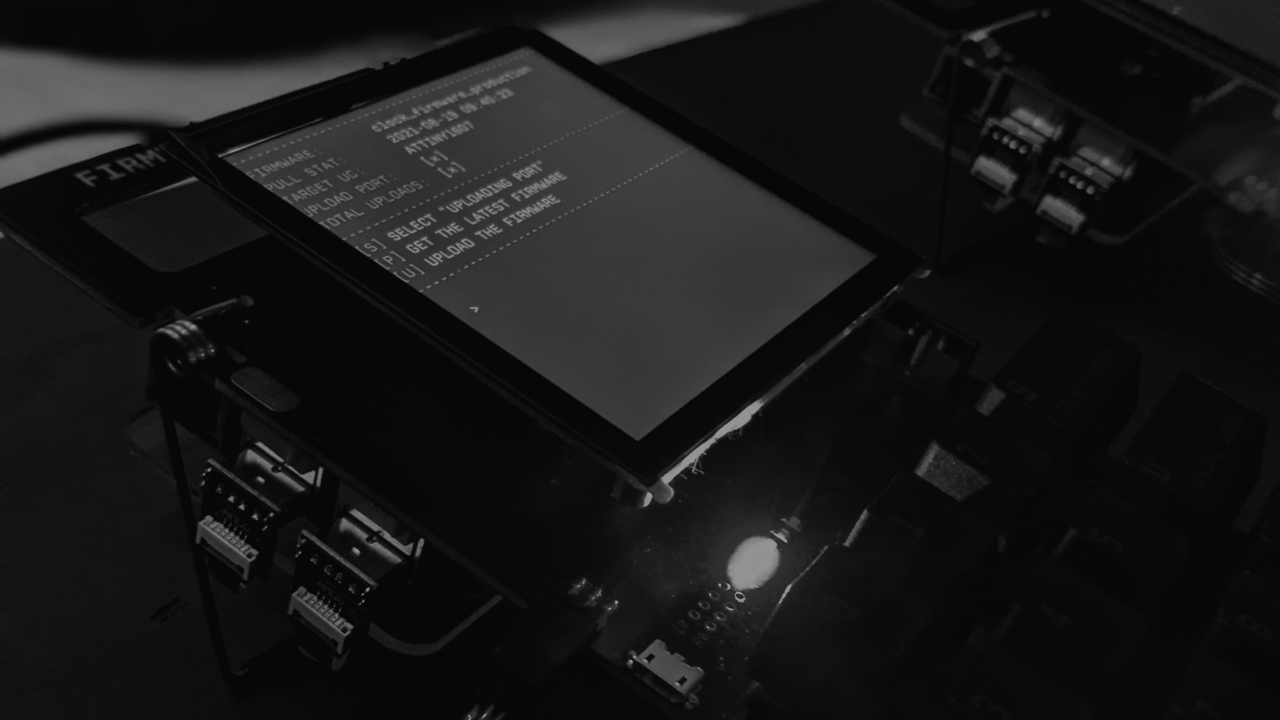
- Delivery under constraint: V-0 rescued a stalled concept in ~6 weeks of consolidation for the 2019 showcase; V-1 carried full HMI system responsibility for the 2020 showcase from Beijing under COVID, with a modular architecture that others assembled remotely from shipped documentation, illustrated technical riders, and per-component configuration tools (including the seat's CAN control module, specified from Beijing and built to instruction in Wolfsburg).
Morphing surfaces, three generations (2019-2021)
See above for their role in the concept; as standalone R&D: full ground-up HW/SW including the pneumatic approach and its rapid-manufacturing toolchain, with Continental engaged on the elastic-optical material.
User-trainable gesture systems on edge ML (2021)
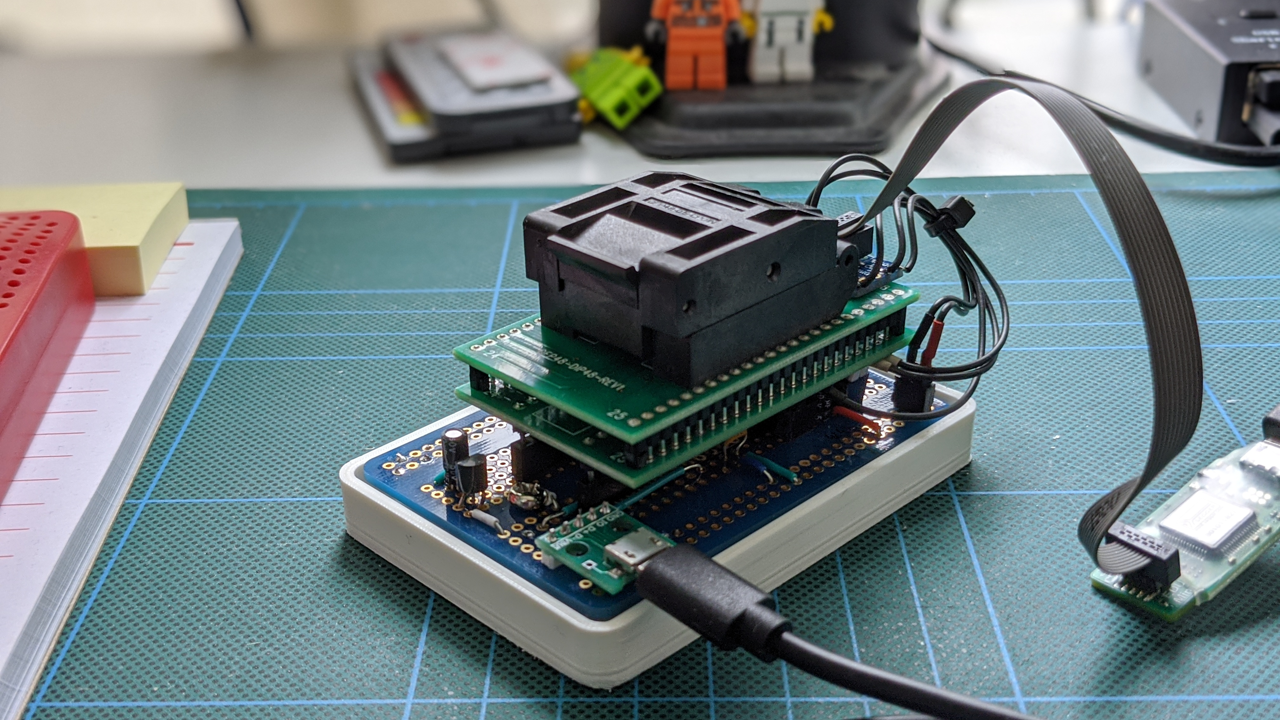
Broad gestures via wearable TinyML, fine gestures via cheap privacy-preserving thermal sensors users train themselves; functional prototypes plus the user-defined service-selection architecture; next iteration was being lined up with Infineon (the company behind Google Soli's radar) and Skoda. Toolchain and enablement ran alongside: a personal-device integration bridge reused across seating buck tests, and hardware/software best-practice teaching inside the motion-sickness research team.
The era's reference
Torsten Schonert, Director UX and Business Innovation at VW Group, on this era: within the first two weeks, board members were impressed by a working hardware-software prototype rather than slides.