Humanoid interaction: HRI standards for Agile Robots
Nine weeks from cold start to two evaluable concept directions: a human-acceptance framework beyond the uncanny valley, six design principles, two archetypes on one modular core, validated in a living lab with 1:1 projections and working hardware, and credited by the client as the UX foundation for Agile ONE.
- Client
- zigzag, for Agile Robots SE
- Year
- 2024 / Berlin / Munich
- Elapsed
- 9 weeks, cold start to two evaluable concept directions
- Role
- External subject-matter expert embedded in the client's team, leading a group of two; personally built the Wizard-of-Oz ring-eye validation rig
- Stack
- Living-lab method: workshops, role-play, 1:1 projected simulations / light-strip and eye-module hardware prototypes / ring_eye_sim, open source (LGPL)
- Unlock
- Client-credited UX foundation for Agile ONE, launched late 2025 / engagement converted into a permanent leadership role
The ask
A humanoid robotics company with serious backing, mid growth-phase, and a hard question: what should interacting with our machines feel like, in ways non-experts accept and trust, across factories and households, and how do we decide without turning it into an academic exercise?
Nine weeks, studio as living lab
We turned the studio into the lab: participatory workshops, role-playing, and 1:1 scale projected simulations to feel the robot's physical presence and behavioral cues at human scale. We condensed the research into a multi-dimensional human-acceptance framework (physical, contextual, behavioral, not just the aesthetic uncanny valley) and six foundational design principles that now serve as the strategic roadmap for HRI development.
Two archetypes on one modular core
Two strategic directions, evaluable rather than abstract: the Industrial Assistant (efficiency, light and haptic feedback) and the Service Staff (social connection, speech, facial expression, fleet orchestration), both customizations of one shared modular foundation, with a lifecycle model for onboarding (Skill Bundles), performing, and learning (Shadowing mode).
Making expressions testable on hardware
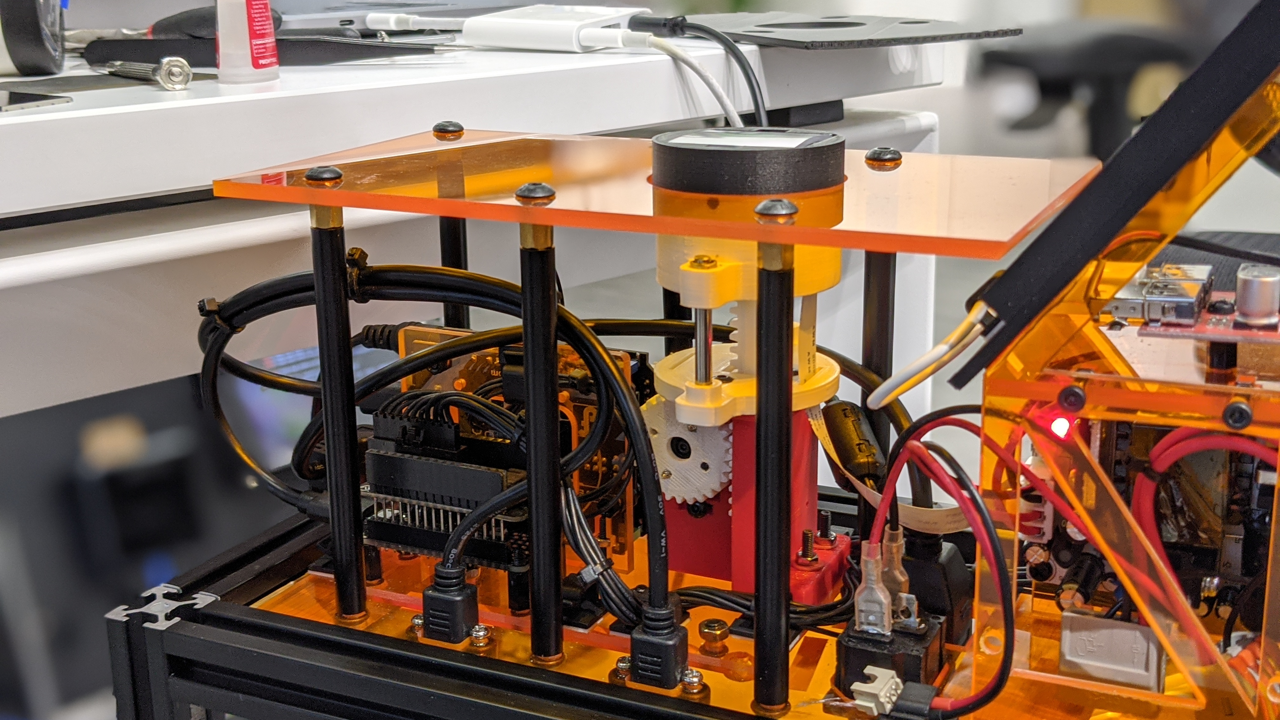
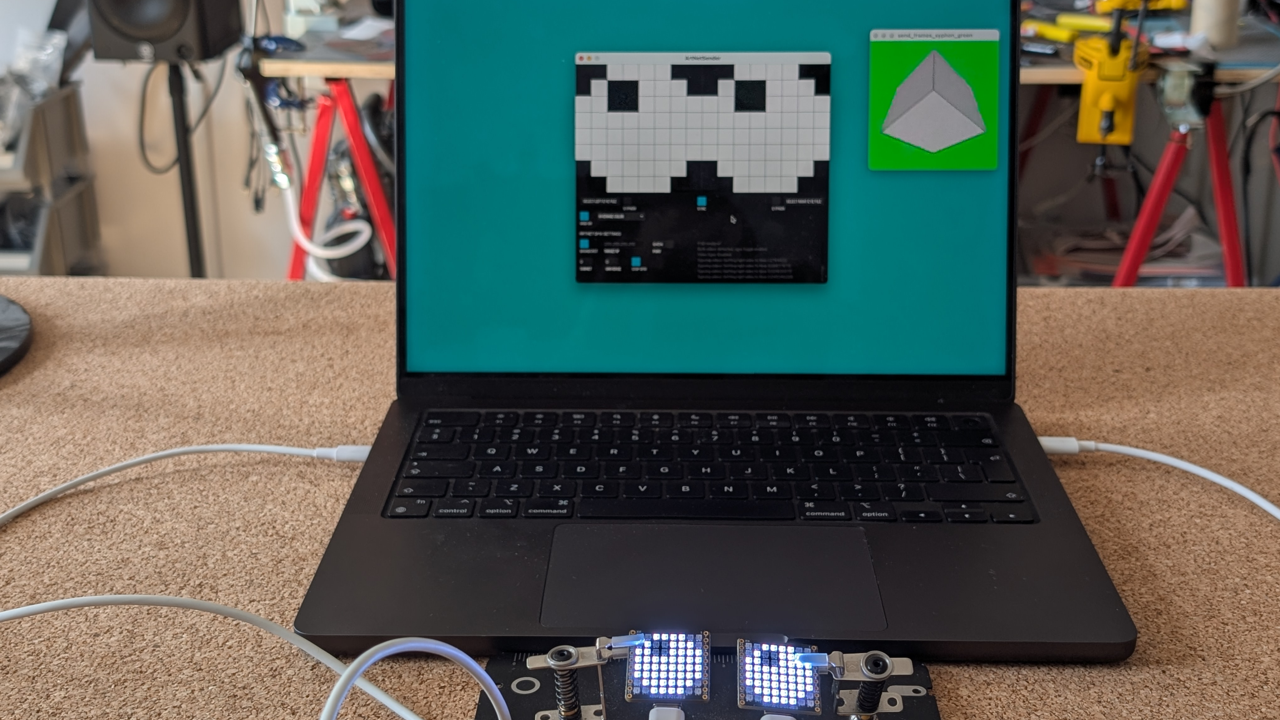
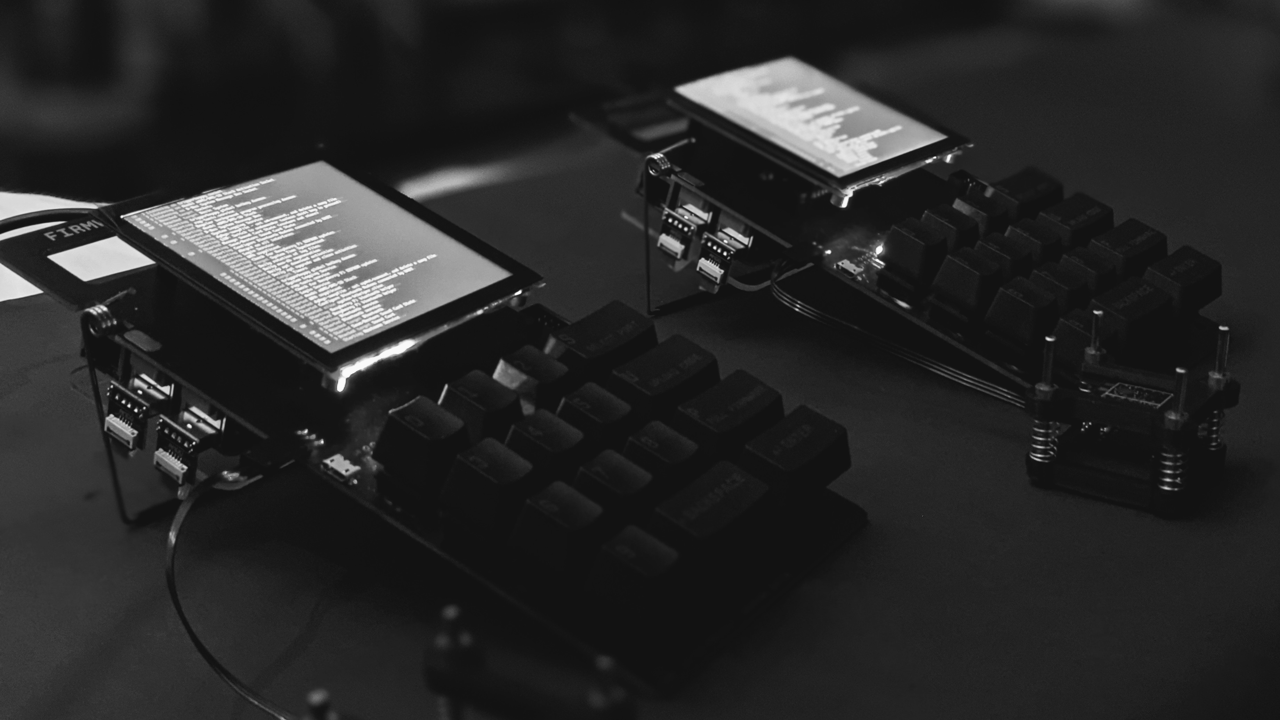
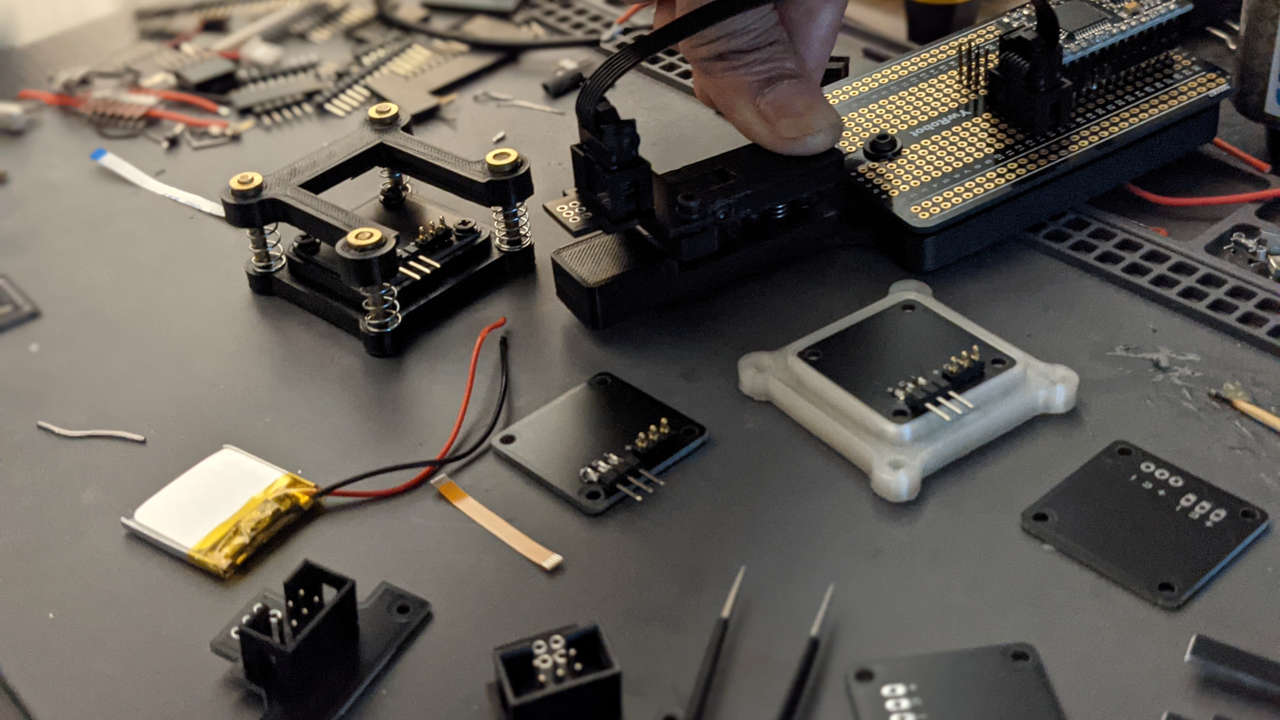
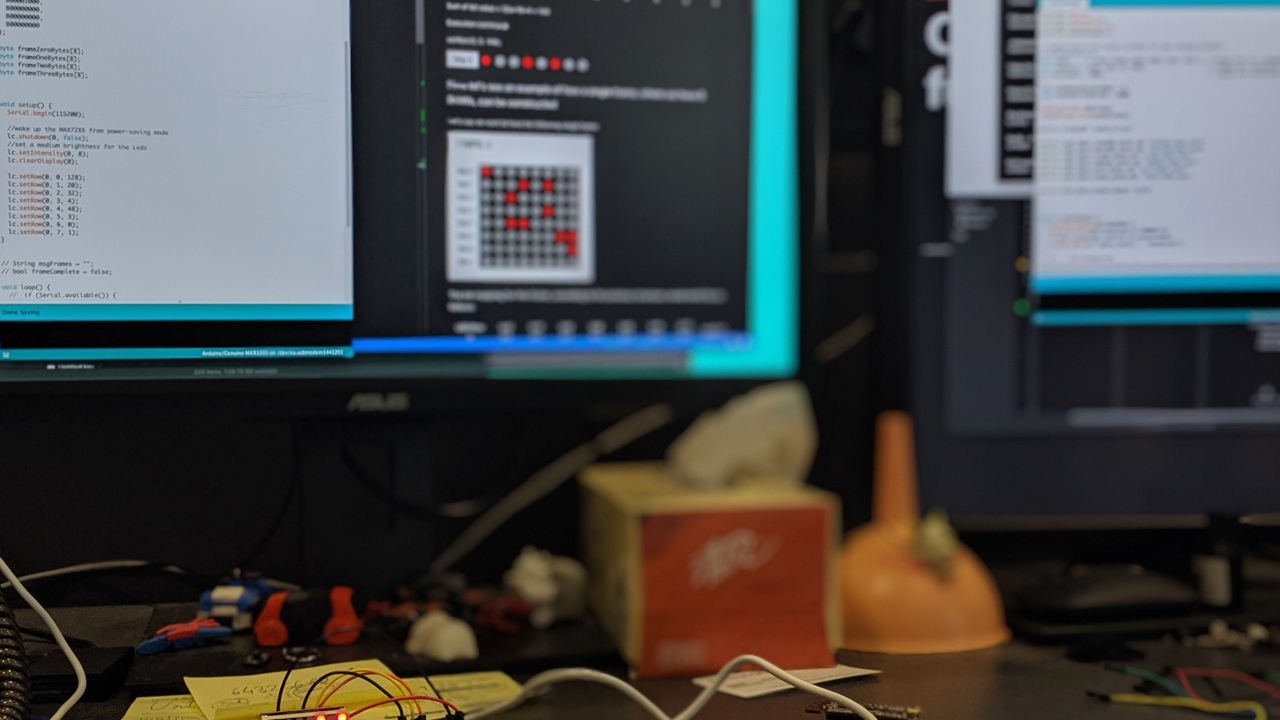
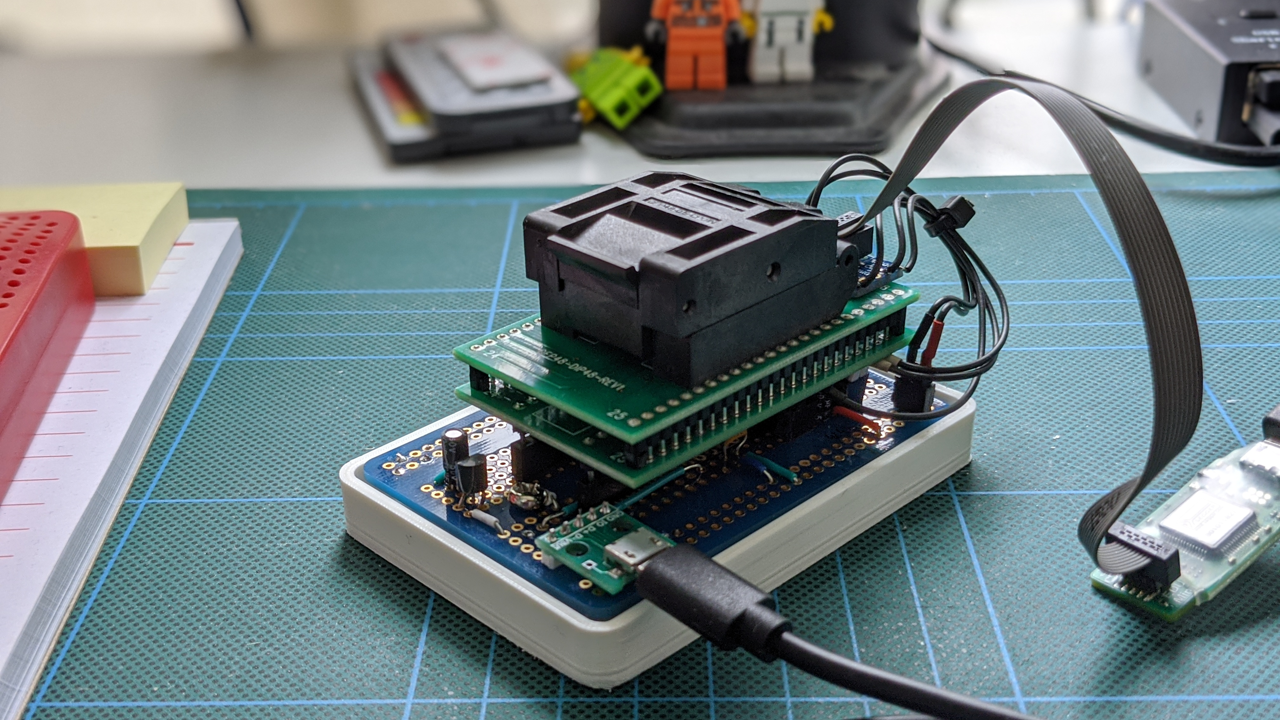
We took multimodal feedback concepts (LED bands, facial displays communicating internal state) past the screen: physical prototypes of the light-strip and eye modules, and Wizard-of-Oz style synced ring animations I built to validate expressions live on the hardware. I carried that thread on after the engagement as ring_eye_sim, a public hardware-in-the-loop tool that lets any designer drive real LED eye rings from any animation, no firmware required.
Result
Roughly a year later, Agile Robots unveiled Agile ONE, with the engagement's frameworks and principles as the UX foundation (their words, on the record). The engagement converted into my permanent leadership role at zigzag, and the work seeded an article I authored and an open-source design tool that keep compounding.